
Engine Airflow Protection and Filter Maintenance
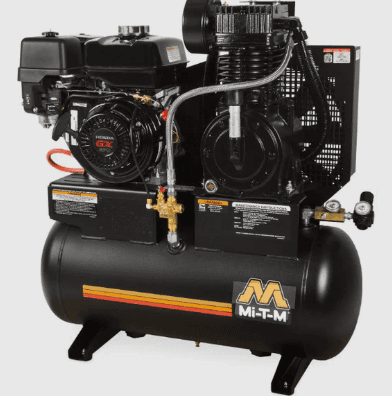
Protecting Engine Air Intake Systems
Engines rely on a steady supply of clean air to maintain efficient combustion and stable operation. Dust, debris, and fine particles can quickly accumulate in work environments where construction and industrial equipment operate daily. Without proper filtration, contaminants may enter the engine and cause premature wear on critical internal components. Clean air intake systems support better fuel efficiency and smoother power delivery. Maintaining filtration components ensures engines continue to operate within their intended performance range. Preventive service reduces the risk of power loss and unnecessary engine strain.
Improving Combustion Efficiency
Balanced airflow plays a major role in maintaining consistent combustion inside small engines. When air intake systems function properly, fuel burns more efficiently and produces stable engine output. Restricted airflow can cause engines to work harder than necessary, which may increase heat buildup and internal stress. Proper airflow management helps regulate engine temperature and improves throttle response during operation. Maintaining intake components also supports longer service intervals for other engine parts. Consistent airflow contributes to dependable performance across a wide range of jobsite equipment.
Maintaining Clean Airflow Components
The 45-0512 MiTM Air Cleaner helps protect engine internals by filtering incoming air before it enters the combustion chamber. Proper filtration prevents dust and debris from circulating through sensitive engine components. Installing the 45-0512 MiTM Air Cleaner supports reliable airflow and stable engine performance during demanding jobsite conditions. Quality air filtration also helps reduce long-term engine wear caused by abrasive particles. Correctly fitted intake components maintain proper airflow balance across the system. Reliable filtration plays an important role in protecting engine durability over time.
Key Engine Inspection Practices
Routine inspections help ensure air intake components continue performing as expected. Preventive checks can catch small issues before they affect engine performance.
- Inspect air filter housings for dust buildup
- Check seals and connections around intake components
- Monitor engine performance for airflow restrictions
- Replace worn filtration components when necessary
- Keep intake areas clean and free from debris
Regular inspection keeps engines operating efficiently and reduces unexpected maintenance issues.
Supporting Long Term Engine Reliability
Engines that receive consistent maintenance typically provide longer service life and more reliable performance. Clean airflow helps reduce strain on pistons, valves, and other internal components. Preventive part replacement helps maintain factory operating conditions across the engine system. Stable airflow also improves equipment reliability during demanding workloads. Routine service helps operators avoid unexpected downtime and costly repairs. Maintaining proper filtration ensures engines remain dependable for years of operation.